
AMKA Engineering
Understand the condition before you act.
Heat can reveal a connection concern. Partial discharge can point to insulation activity. Look at both against the equipment, operating conditions and decision you need to make.
Asset scope, access, delivery responsibility and limitations are agreed before work.
Start with the electrical question
Which decision is in front of you?
Electrical Health Assessment
The preferred first step for condition screening: thermography and partial discharge against the same agreed asset scope.
Electrical services
Power quality, transformers, earthing, protection or corrective work. Define the investigation and delivery boundary first.
A second view before you act
Bring a finding, report or quotation. Clarify what it supports and what still needs checking.
Two methods, different questions
A pattern needs context.
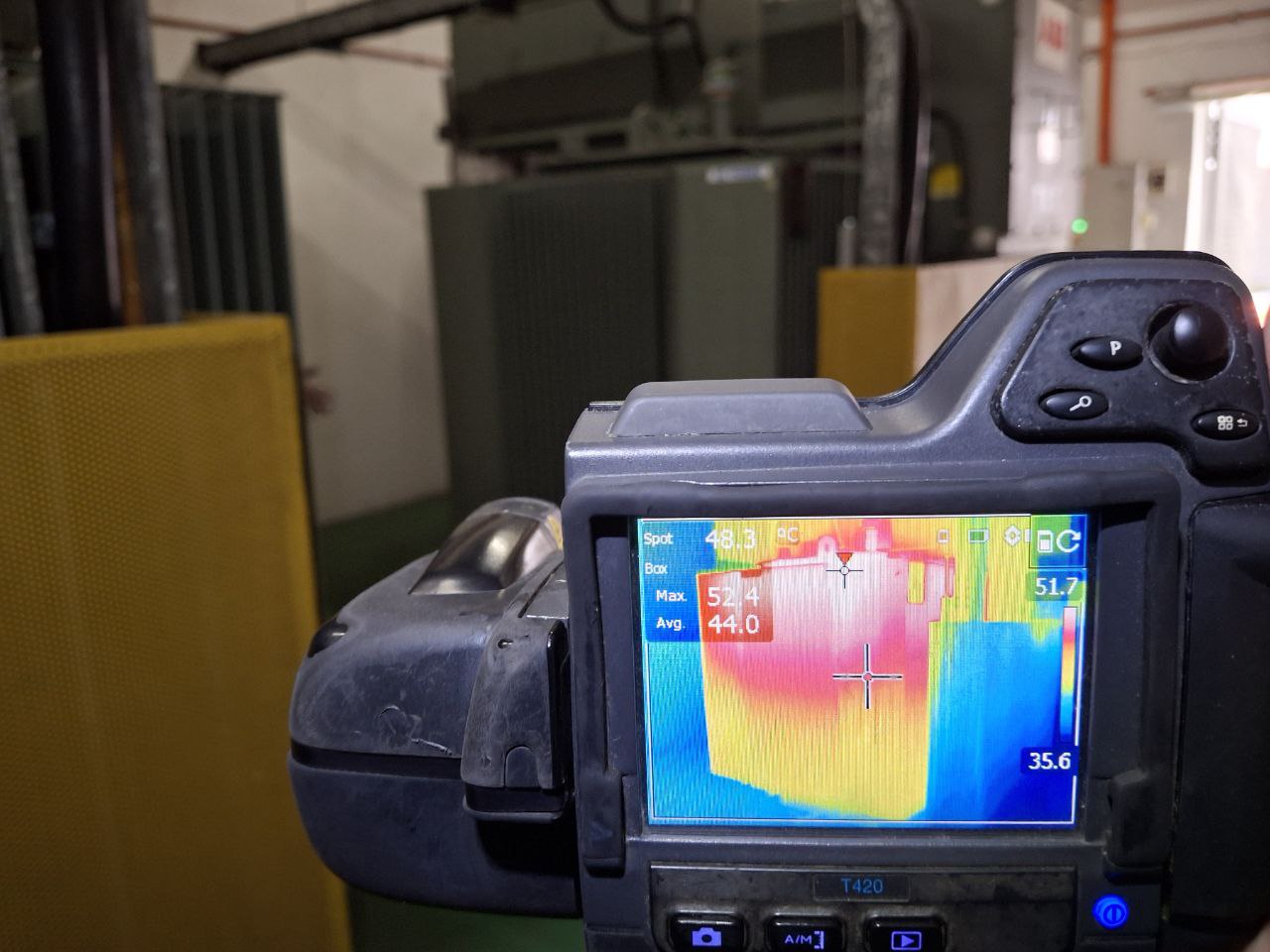
Thermography
Compare surface heat patterns on connections and equipment. Check the operating load and viewing conditions before interpreting a difference.
Thermography scopePartial discharge
TEV and ultrasound screening look for activity associated with insulation condition. Method suitability and access depend on the asset.
Partial discharge scopeIn-service work is possible where the agreed method and access allow it. Other tests or corrective work may need an outage and a separate scope.
People, equipment and responsibility
Know who is doing what.
Thermography and PD surveys have been delivered for Panasonic, Westports and GDC Putrajaya. The quotation names the responsible delivery and review roles for your work.



Agree the scope in writing.
Start with your asset list, concern and available reports. The proposal sets methods, access, outputs, exclusions and price.
Qualifications and technical boundaries
Personnel credentials include BO33kV competency and Infraspection thermography training under SNT-TC-1A. PD work uses EA Technology UltraTEV Plus² with maker-certified training; thermography uses FLIR equipment.
Professional Engineer review or endorsement applies only when included in the engagement. The engineer and responsibility are named in the quotation. Relevant ST, DOSH, TNB, NFPA 70B, IEEE or NETA requirements are identified for the scope.
Company registrations (SSM, MOF and CIDB G2) are separate from personnel credentials. AMKA does not hold ST company contractor registration.
Read before you decide
A closer look at the methods.
Start with the equipment
What do you need to decide?
Share the asset, the concern and any existing material.